
by Lori Vande Krol | Dec 19, 2022 | General Productivity, Goals and Priorities, Habits, Planning, Time Management
How has 2022 been for you? What went well? What could be improved? Did you reach your business and life goals? What will you do differently next year to grow further?
Before you do 2023 annual planning, it is a valuable exercise to close out the year and prepare for the new one by reviewing your goals, habits, and routines. Follow the steps below to review and reset for continued success.
1. Reflect
Look back on the past year and answer reflection questions such as:
- What did I accomplish this year?
- What am I proud of?
- What am I thankful for?
- What should I celebrate?
- What will I continue to do that contributed to my success?
- What were my challenges this year?
- What could/would I have done differently?
- What is one thing I could do to improve next year?
Set aside focused time to write your answers to these questions. You may be surprised at what you learn about yourself, your systems and habits, and how to address challenges in the upcoming year.
For example, during my Year in Review, I realized I am not diligent about scheduling time into my calendar at the beginning of each week for the “important but not urgent” tasks and projects. I, therefore, have not made the progress I wanted on many of these projects. I need to create a routine of setting aside time each week, just as I do with my exercise, before I build in other tasks and appointments. This will now be part of my planning process for 2023.
2. Review Your Annual Goals
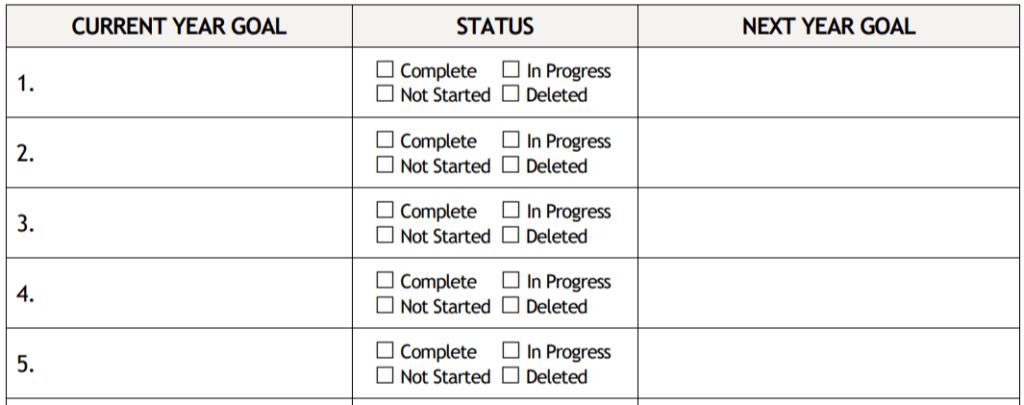
The second step in your Year in Review is to review the status of your current year annual goals – both professional and personal. What goals are complete? What contributed to that success? Do you have goals that are not complete, or were not even started? If so, what challenges prevented their completion? Or perhaps there was a change in priority or focus during the year. Determine which of these goals should remain for the upcoming year and write any notes to carry into your 2023 annual goal setting.
3. Analyze Your Habits and Routines
How did you do on your goals and progress related to your defined habits this year? Review your habit tracking tables and schedule time to reward yourself for any goals reached. Will these habits continue or grow?
For those habits that were a struggle, analyze the reasons and what needs to change in the upcoming year. Do you understand the deeper “why” for the habit? Do you have the right tools in place? Do you need an accountability partner or coach? Determine the habits you will stop, continue, or update for the upcoming year.
Similarly, review your current routines (or routines you had hoped to establish this year). Look at your morning, start of day, end of day, and evening routines. How are they working for you? Do they need to be adjusted or reset? Establish the routines you would like to implement in 2023.
To help you with your Year In Review, I have created a downloadable template to walk you through the process. Click below to have it emailed to you.
Year in Review Template
FREE DOWNLOAD
You can also find this template, along with other valuable planning exercises and templates, at ProActionPlanner.com. Get them soon as they will only be free until the of the year.
If you’d like assistance with review and reflection, the goal-setting process, or in setting up systems for success, contact Lori at Life Made Simple or schedule your free 30-minute consultation. I’d love to help!

by Lori Vande Krol | Jun 22, 2022 | General Productivity, Goals and Priorities, Motivation, Procrastination, Team Productivity, Time Management
I have a confession to make. Months went by this year before I finally took focused time to set my annual goals. While I help others to do this daily and understand the importance and benefit of annual goal setting, I was not able to complete the task for myself. I took some time to reflect on my reasons for procrastinating on this task, which helped me to work through and complete the process. Following are a few reasons you might find goal setting difficult as well as some tips and resources to make it simpler.
1. The goal, outcome, or supporting actions, are unclear.
Too many times, I have gotten hung up on taking action because the end result, or the full range of steps I need to take to get there, is not completely clear. I have to remind myself that taking some action is better than nothing at all. Often, as you start to take action the goal and end result becomes clearer.
In his article, The Goal is Not the Point, James Clear says: ” In other words, your goal becomes your compass, not your buried treasure. The goal is your direction, not your destination. The goal is a mission that you are on, a path that you follow. Whatever comes from that path—whatever treasure you happen to find along this journey—well, that’s just fine. It is the commitment to walking the path that matters.”
When the goal or destination is not clear, consider your goal a direction you are heading, and clarify the end result as you go.
2. Setting big goals is scary.
There are many fears that can hold us back from setting and achieving goals. “What if I fail?” or “What if I succeed? Can I handle it? What comes next?” Perhaps it is a fear of change or a fear of losing control that is holding you back. In times like this, you must ask yourself, “What happens if I don’t try?”
Are you willing to live with more of the same? The status quo? Or are you willing to accept some risks and potential challenges in order to grow and achieve more? What great things might happen, for yourself and others, if you succeed? Take time to evaluate your fears. Learn what is driving the fear and anxiety in order to push forward. You may find that you even enjoy the journey.
3. Goal setting has not been successful in the past.
Last fall I was presenting a course on procrastination. When discussing potential reasons for procrastination, I shared that we often fail to take action when the end goal is unclear. An attendee raised her hand and asked, “What is the point of setting goals? It never works.” I challenged her to think more deeply about her hesitation toward goalsetting. I asked if there was possibly something else holding her back. After the presentation, we talked further, and I learned that she had worked for large corporations most of her career. Those companies would go through the annual goalsetting process, but it would end there. Management would not follow through or follow up on the actions required to achieve those goals. Goals were not reviewed regularly. Employees were also unclear on how the company’s goals tied to their own vision and goals. The lack of a full system for goal setting and implementation caused it to fail, and employees no longer trusted the process.
If goal setting has not been successful for you in the past, reflect on the true reasons for this. What can be done differently to improve your chances of success? There are many tools and tips to support individual, team, and company goalsetting. The systems and processes used need to work for everyone involved. Below I share additional resources for successful goalsetting.
The potential reasons for avoiding the task of goal setting are not unlike the reasons for procrastinating any task. The first step is working to understand your unique reasons for avoidance and then to find the right tool and process for you and/or your team. There is no doubt you will grow and achieve more.
Additional Resources for Goal Setting
Goal Setting: A Scientific Guide to Setting and Achieving Goals by James Clear
Mastering Time Management: What To Do Before the To-Do List by Lori Vande Krol
Do You Have a Lot of Big Goals? Focus on What You Know and Love by Lori Vande Krol
The Superman: Goal Achieved by Lori Vande Krol
The ProAction Planner™: a system to turn your annual goals into action throughout the year
FREE DOWNLOAD: Use the button below to receive a free Annual Goal Setting Template
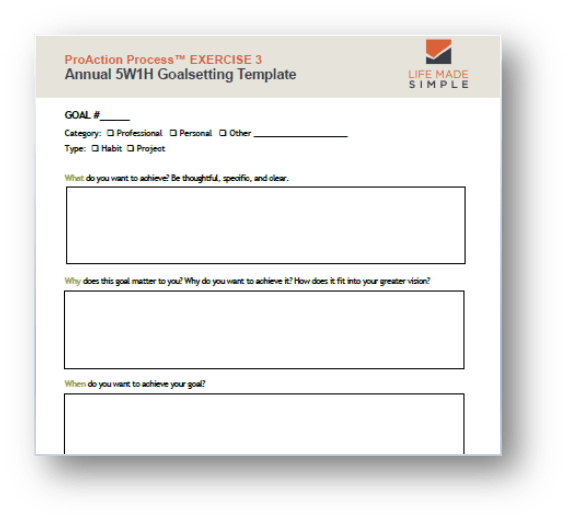
Annual 5W1H Goalsetting Template
FREE DOWNLOAD
It is not too late to set your annual goals for this year! If you’d like assistance with the goal-setting process, or in setting up systems for success, contact Lori at Life Made Simple or schedule your free 30-minute consultation. I’d love to help!
by Lori Vande Krol | Mar 3, 2022 | Goals and Priorities, Habits, Mental Health, Planning, Time Management
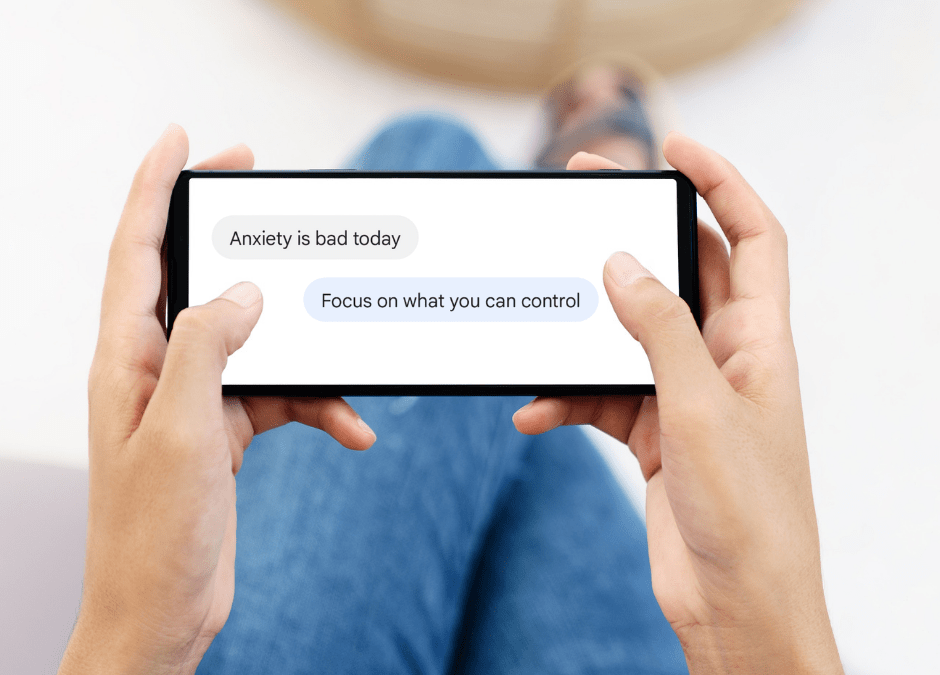
My daughter was recently feeling some anxiety at school and texted to let me know. One of the responses I texted back was to “focus on what you can control.” It had an impact, and she decided to post it on social media. The next day she told me it was her most shared post ever – it resonated with many of her followers.
Later that week, a coaching client shared a challenge she had encountered when an unexpected issue arose that stopped her in her tracks. It caused her stress and frustration and caused her to lose many hours of time. As we talked through her reaction to the situation, I asked her, “Looking back, what could you control about the situation at that moment?”, “What was the appropriate reaction?”, “What next steps did you take, or could you have taken?”
With so much out of our control on a daily basis, it’s important to control what we can, be intentional about our thoughts and choices, and act based on this. It’s not always easy but worrying about things we have no control over wastes time and energy and increases stress.
Below are a few tools you might consider to help you focus on those things you can control, so you can better cope with the unexpected and uncontrollable.
Plan
Do you often feel you are constantly reacting to the current “fire” or “squeaky wheel”? Some believe there is no use in planning if things are out of your control anyway. But, this is exactly the reason for it. Planning allows you to gain control over your time and actions in a proactive way. It gives you a better understanding of what is urgent and what is important. Then when the unexpected occurs you can more easily adjust and make intentional choices about if, and how, it fits into your plan. By planning you are making a habit of “focusing on what you can control.”
Stop and Think, Then Act
When the unexpected occurs, or you are feeling anxiety at a certain moment, step back from the situation and ask yourself the following questions:
-
- What can I control about this situation or about what I am feeling?
- Is this my worry or my challenge to handle or does it belong to someone else?
- What specific action(s) can I take to move forward?
Taking a moment to answer these questions will allow you to refocus and transition from being reactive to proactive, allowing for intentional choices about your next thoughts and actions.
Journal
If you are someone who best processes information by writing, take some time to journal your answers to the questions above. Journaling daily on anything that weighs on your mind is a great habit to develop to gain control over your thoughts and actions.
Meditate or Pray
Depending on your spiritual preference, tools such as meditation and prayer can help keep your mind focused and present, along with other benefits. Practicing regularly will help train your mind to react in a more relaxed and focused way when dealing with unexpected and challenging situations. There are many free apps that can help you learn and practice these techniques including Calm, Headspace, and Insight Timer.
What tools or techniques have you found to help you decrease anxiety and stress and focus on the things you can control? Share them in the comments below!

Recent Comments